A new CELP website is coming soon
Please pardon the limited experience while we rebuild our website. A new and improved CELP site is coming soon. Thank you for your patience as we create a more useful and accessible resource for our community.

The Center for Environmental Law & Policy is a statewide 501(c)(3) nonprofit whose mission is to protect, preserve, and restore Washington’s waters through education, advocacy, policy reform, and public interest litigation.
Years Defending Washington Waters
Watersheds Where We Work

Our Mission
We work to ensure the equitable and sustainable management of our most precious resource: water. Our vision for the future is that Washington State will have clean and abundant waters to support healthy communities, thriving ecosystems, and resilience in the face of climate change.
CELP places tribal treaty rights at the center of our work. We recognize all of Washington’s First People and their ancestral ties to our landscape and waterways and the lives they support.
Donate today to protect Washington's waters
Your donation directly supports CELP’s mission to protect, preserve, and restore Washington’s waters through advocacy, policy reform, public interest litigation, and education.
Our History
The Center for Environmental Law & Policy was co-founded by University of Washington Law School Professor Ralph W. Johnson and NGO public interest lawyer Rachael Paschal Osborn in 1993. Their shared vision was to create an organization to serve as a voice for the public interest in water resource management and preservation throughout Washington State. They recognized that water belongs to all of us, and that the Public Trust Doctrine should be used to protect this precious resource for humans, wildlife, and life itself.
To this day, Professor Johnson’s scholarship on the Public Trust Doctrine and Federal Indian Law informs every aspect of the way we work. His invaluable expertise and insight provided the foundation for innumerable legal actions and policy initiatives to protect each citizen’s right to abundant, clean, and flowing waterways. His close relationships with many Indigenous Tribes of the Pacific Northwest established a deference to Tribal leadership in water resource management and ongoing legacy of commitment to environmental justice.


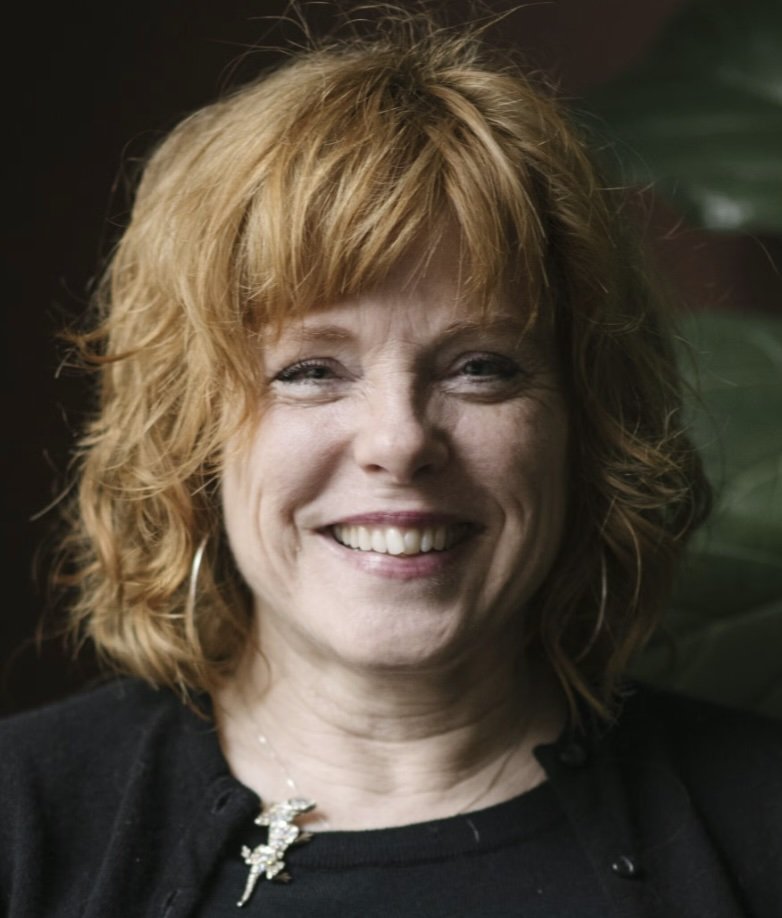
Throughout her career, Paschal Osborn has been a staunch defender of the public interest, providing representation to Indigenous Tribes, environmental NGOs, labor unions, and small communities. Also a dedicated educator, her commitment to inspiring the next generation of water law and policy proponents is something CELP tries to emulate through our education and community outreach initiatives. She has also written extensively on water resources and environmental issues, which continue to inform our work as well as that of our partners. In addition to co-founding the Center of Environmental Law & Policy, she served as executive director from 1993-1999—overseeing CELP’s transition to an independent 501(c)3 nonprofit in 1993—and again from 2007-2011. She is also co-founder and former board member (1997-2001) of Washington Water Trust.
True to Ralph and Rachael’s vision, CELP has worked tirelessly to update water laws in Washington State in order to protect, preserve, and restore waterways throughout the state. Following his passing in 1999, to celebrate Professor Johnson’s genius and advocacy, CELP names its award for exemplary service on behalf of Washington’s waters and people in his honor: The Professor Ralph W. Johnson Water Hero Award.
Save the Date
Celebrate Waters Award Reception and Fundraiser
October 16, 2026
6:00pm - 8:30pm
Ivar’s Salmon House - Seattle
Tickets: $75
Sponsorships available
Contact us at (206) 829-8299 or [email protected] for more information
Clean, flowing waters. Healthy ecosystems. Empowered communities. Equitable water management.
This is the Washington we envision.
Learn more


Center for Environmental Law & Policy
85 S. Washington St., Suite 201
Seattle, WA 98104
Homeland of the Coast Salish Peoples
(206) 829-8299
[email protected]
Copyright © 2026 Center for Environmental Law & Policy