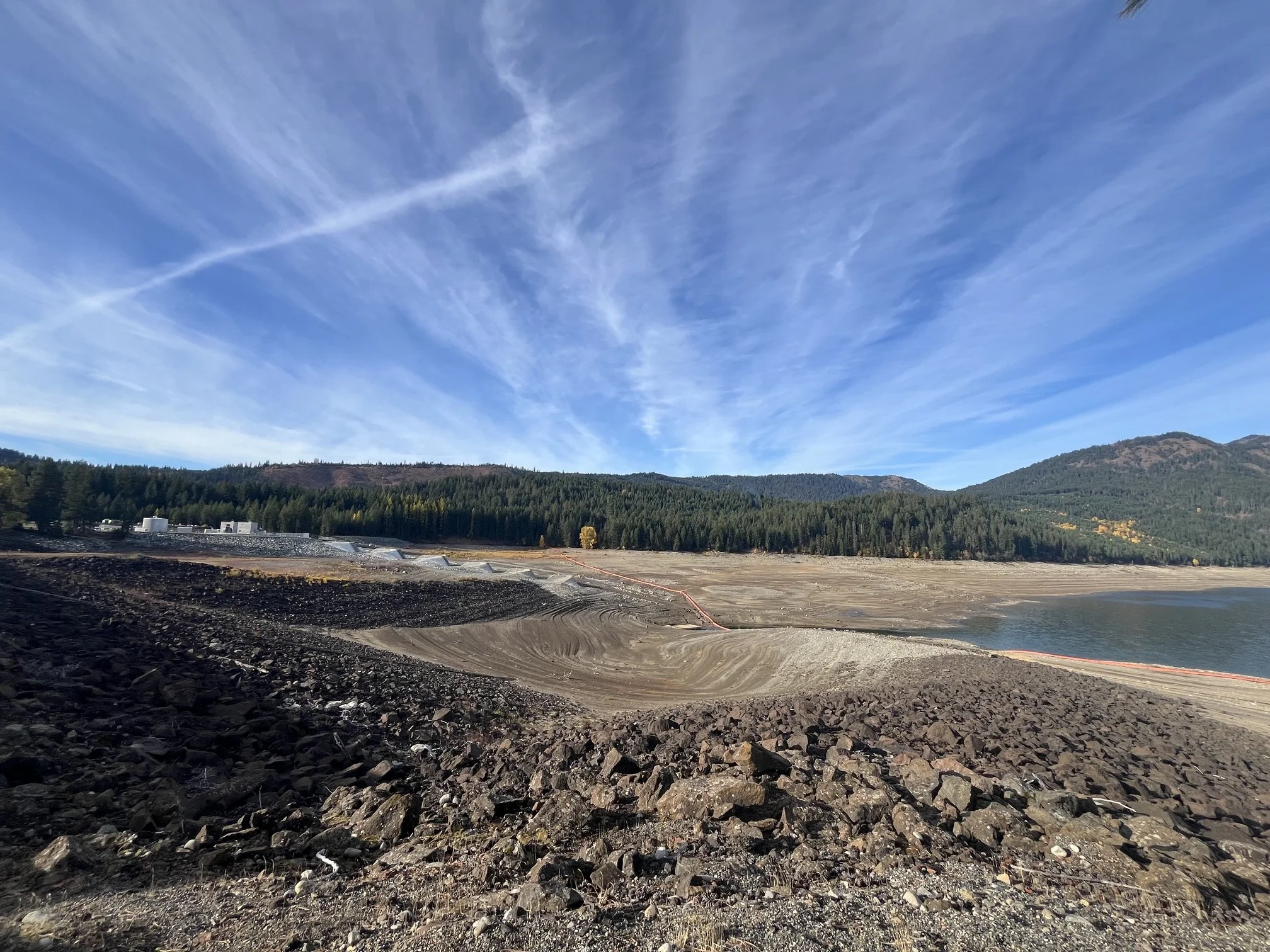
Defend and Restore Clean, Abundant, and Flowing Waters
We advocate for watershed health and actions that prioritize water for nature, Tribal water rights, and community needs.
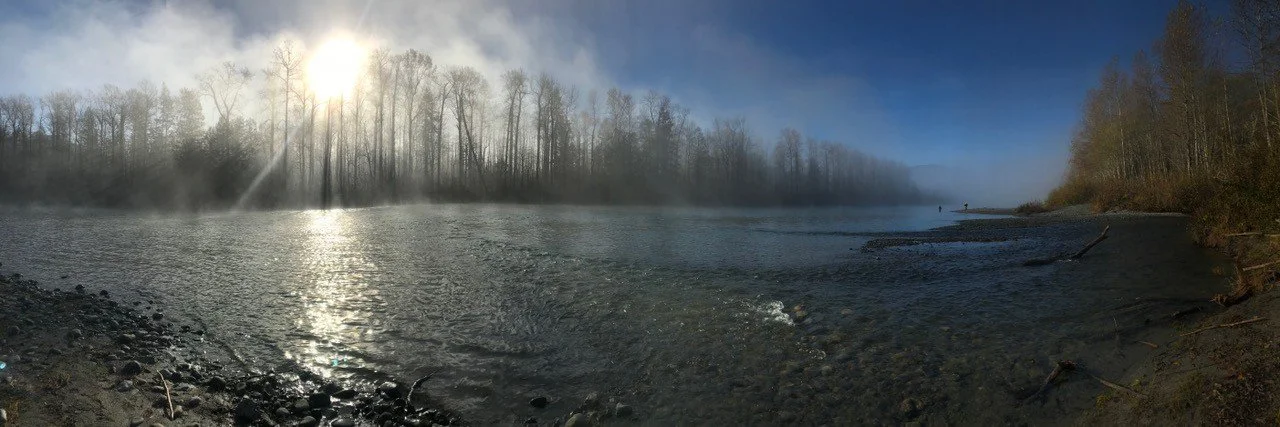
Protect Healthy Watersheds
We advocate for watershed health and actions that prioritize water for nature, Tribal water rights, healthy habitat and community needs.
-
We work to ensure robust protection of wetlands and aquifer recharge areas. We strengthen state protections to fill the gap on lapsing federal protection, and work to see that these rules are implemented on the ground.
-
Stream buffers are critical for maintaining habitat, protecting water quality and keeping water cool enough for salmon. They also provide resilience against flooding. CELP supports restoration work and strong protections for buffers on forest, agricultural, residential and commercial lands.
-
We support natural solutions to drought-induced water shortages that prioritize protection and restoration of habitat, stream flows and water quality. This includes flood plain restoration, beaver habitat, wetlands and aquifer recharge. Water conservation and stream flows should be prioritized.
-
We support a statewide moratorium on the construction of hyperscale data centers (and similar facilities), until all water and energy use is fully mitigated, and community and environmental protections are in place. Data centers should have to disclose all water use and impacts, and curtail energy and water when low flows threaten water rights and salmon survival.
Restore Free-Flowing Rivers & Protect Water Quality
We advocate for dam removal, oppose dam construction, work to block harmful infrastructure, and eliminate pollution sources.
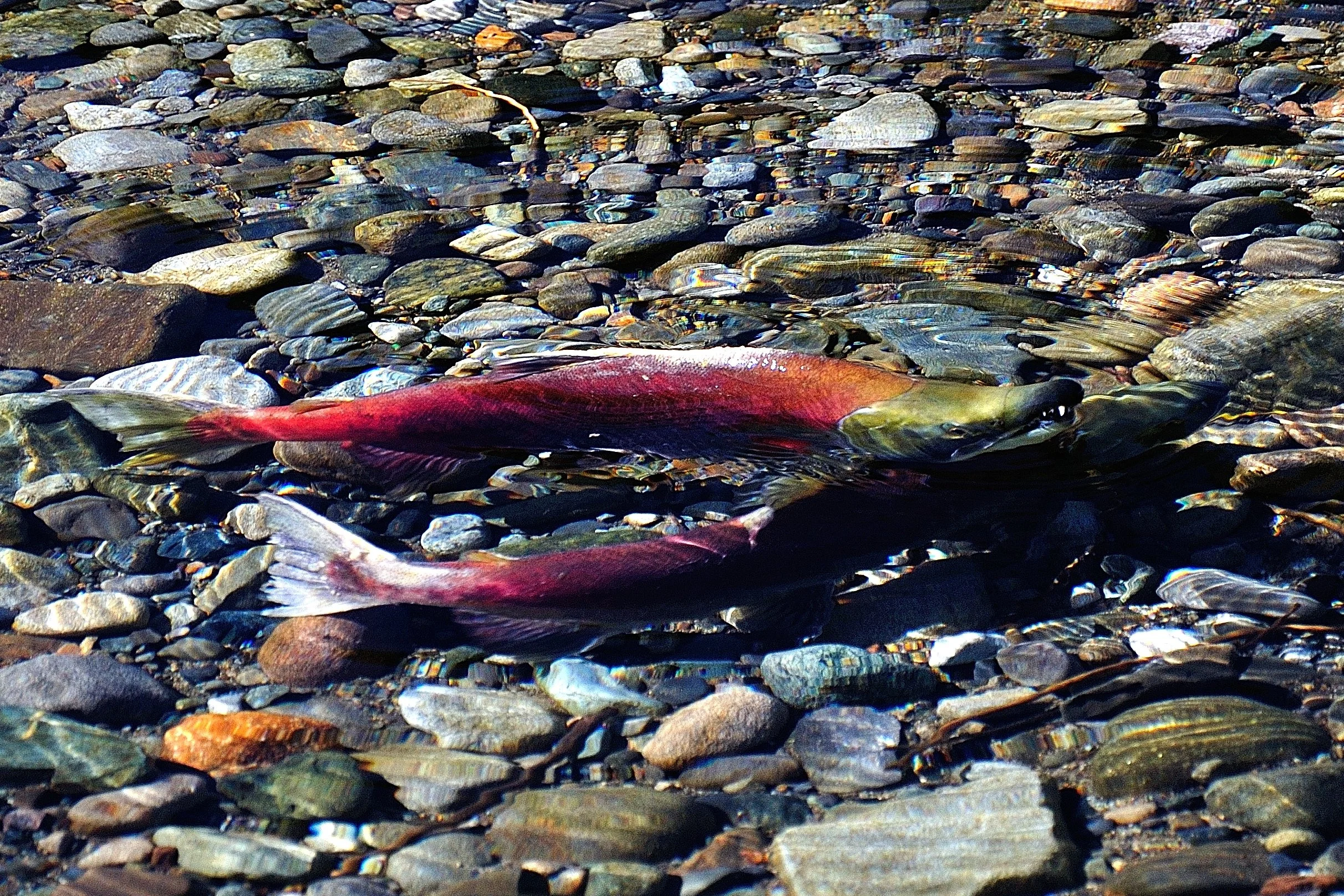
Dams are not clean nor renewable sources of energy, blocked or restricted fish passage hampers salmon recovery and water quality is below legally applicable standards on many Washington streams due to high temperatures, nutrients, bacteria and stormwater pollution.
-
We oppose new proposals to dam our rivers and oppose the use of renewable energy credits for dam construction worldwide.
-
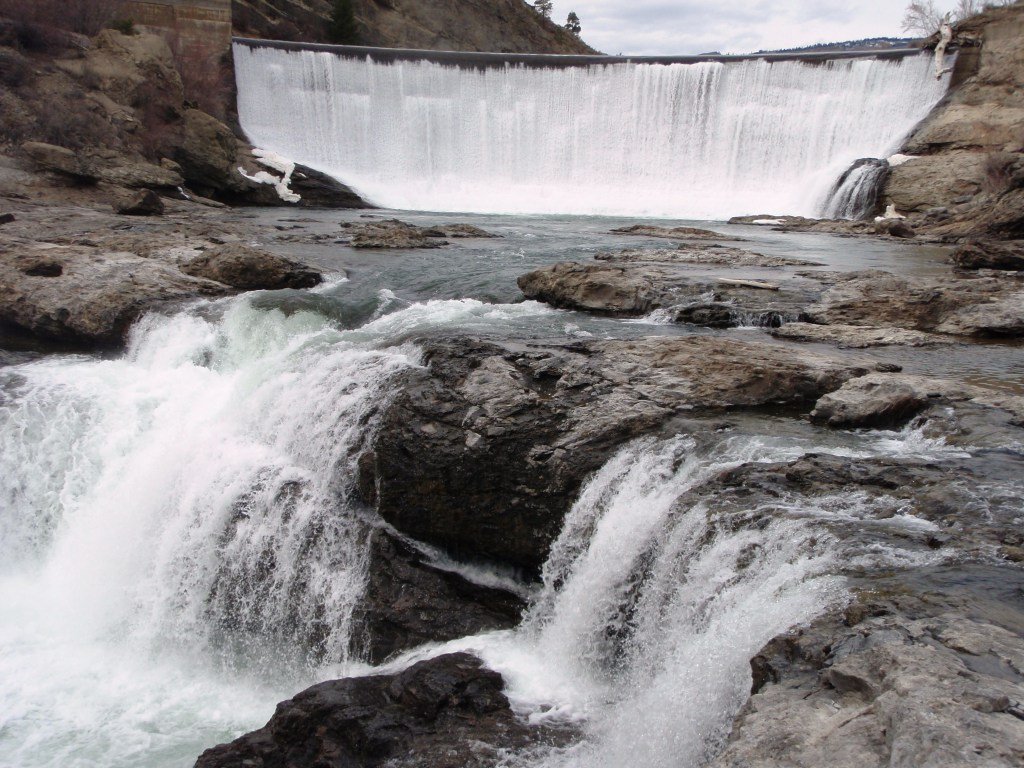
We support the removal of problematic and deadbeat dams where feasible. and work for improved regulations to mitigate impacts of existing dams when removal is not an option.
-
We support increased funding for improved fish passage along our rivers and streams (projects such as culvert removal).
We support improved flow management including from existing hydropower operations to ensure juvenile and adult salmon can migrate safely.
We oppose new projects that would interfere with fish passage.
-
We work to defend and strengthen water quality standards, and ensure enforcement of water quality laws and regulations to reduce pollution from stormwater, wastewater, agriculture and non-point sources.
Protect Water Rights, Instream Flows & Groundwater
We oppose unauthorized use, unjust or inappropriate allocations, withdrawals and diversions.
-
We fight for water justice and the fair and equitable adjudication of water rights. Water allocations must protect tribal water rights and instream flows.
-
Instream flows function as enforceable water rights for maintaining minimum flows for streams and salmon. But they are often “junior” to other water rights and are not a guarantee of water for the stream.
We support the affirmation of tribal water rights and instream flows to “time immemorial” to prevent the allocation of water over the needs of tribes and salmon.
-
These small wells are often single-family wells that builders use to access water for increasing development. But the cumulative impact of these wells is significant and must be mitigated.
We oppose efforts weaken standards on development and zoning that would make it easier build additional unpermitted connections to drain aquifers in fully allocated watersheds.
-
Aquifer recharge is critical for stream health amid growing development pressures. We must protect critical aquifer recharge areas to assure adequate replenishment of groundwater supply for river flows and water users.
We oppose efforts to increase impervious surfaces in critical aquifer recharge areas.